


Elke nou en dan beland 'n doodgewone mens, wat net sy lewe probeer leef, in die ongelukkige posisie dat hy met my moet koeitjies en kalfies gesels.
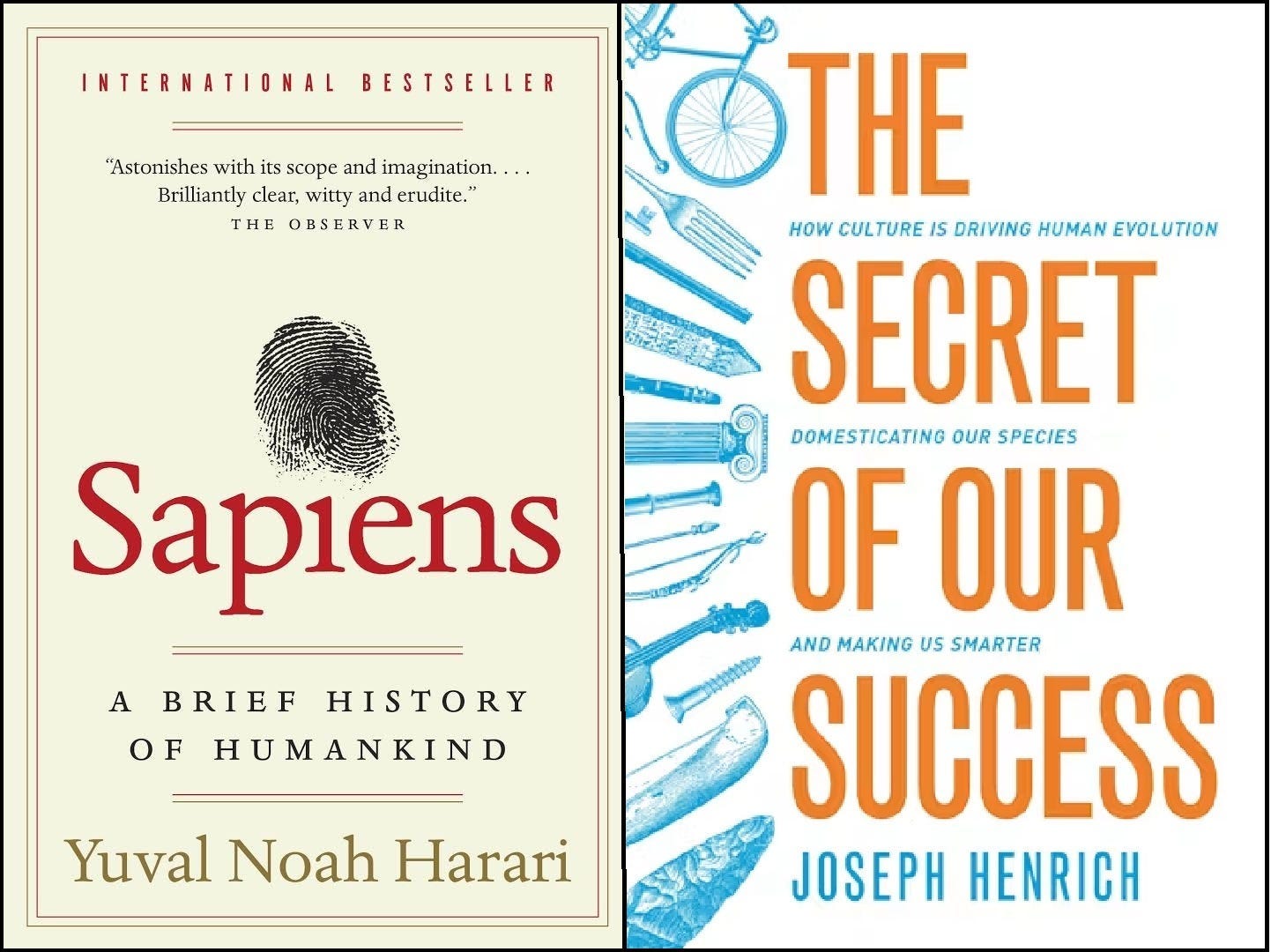
Hoewel “Wat doen jy vir werk?” gewoonlik 'n betroubare gespreksneller is, het die antwoord in my geval — “Ek is 'n filosofieprofessor” — dikwels 'n dempende uitwerking. Nou en dan kom daar egter iemand verby wat bereid is om saam te speel. Blouboordjie-ouens raak soms opgewonde: “Filosofie, cool, ek het my eie filosofie. Ons moet eendag bier drink en dan vertel ek jou daarvan.” Aan die ander kant kom tech bros wat bereid is om saam te speel dikwels terug met iets meer boekagtigs, soos: “Wat dink jy van René Girard?” of “Wat dink jy van Yuval Harari?”
Om die waarheid te sê, net nou die dag het ek met 'n ou gepraat wat die Harari-kaart gespeel het. Ek het toe vir hom gesê dat ek nie van Harari se boek Sapiens hou nie. Hy het effens teleurgesteld gelyk en gevra waarom ek nie daarvan hou nie. Ek het vir hom gesê ek hou nie daarvan nie omdat die teorie van menslike evolusie wat Harari aanbied heeltemal onwetenskaplik en verkeerd is. Die ou het toe die natuurlike opvolgvraag gevra: wat is fout daarmee? Op daardie punt moes ek aansienlike selfbeheersing aan die dag lê.
Want eerlikwaar, ek sou niks liewer wou doen as om vir hom alles te verduidelik wat verkeerd is met Harari se weergawe van menslike evolusie nie. Die probleem is dat dit in 'n twintig minute lange monoloog sou ontaard, wat onversoenbaar is met die reëls van small talk. Dit sou daartoe gelei het dat ek die karaktergebrek openbaar wat professore mettertyd ontwikkel, naamlik om mense toe te spreek asof hulle in 'n lesing sit. Ek het dus net iets gemompel oor dat dit ingewikkeld is, en aanbeweeg.
Irritasies met Die Boek
En tog het die antwoord op sy vraag, volledig gevorm in my gedagtes, daar bly sit en jeuk om vrygelaat te word. Aangesien Substack seker so goed soos enige plek is om my daarvan te ontlas, hier gaan ons: Harari se boek het my nie net geïrriteer nie; al die kritiese kommentaar wat ek aanlyn sien, is boonop bloot haarklowery — soos “hy vereenvoudig dit 'n bietjie” of “hy oordryf sy aanspraak hier” — eerder as om die ooglopende foute in sy weergawe uit te wys.
Verder het baie mense wat Harari se boek gelees het, ook Joseph Henrich se werk gelees, maar hulle besef blykbaar nie dat die teorie wat Harari verdedig presies die teenoorgestelde van Henrich s'n is nie. Deel van die probleem is dat lesers sukkel om die struktuur van hierdie teorieë raak te sien, omdat hulle nie presies verstaan wat die teorieë probeer verklaar nie. Hulle behandel dit meer soos stories as wetenskaplike hipoteses. Dit is dus nuttig om te begin met 'n mate van begrip van wat die verklarende doelwitte van 'n teorie van menslike evolusie is.
Mense het vier onderskeibare eienskappe — trekke, vermoëns, gedragspatrone, ensovoorts — wat ons heelwat anders maak as ander diere. Dit is redelik voor die hand liggend, maar daar bestaan ongelukkig 'n hele subgenre van akademiese pedanterie wat behels dat items op die lys betwis word deur te sê: “ander diere doen dit ook!”, omdat daar natuurlik soortgelyke vermoëns elders aangetref word.1
In die lys hieronder het ek dus die kwalifikasies bygevoeg wat nodig is om hierdie besware te ontlont en uit te wys wat absoluut kenmerkend van mense is.
1. Intelligensie: Mense beskik oor voortreflike intelligensie, nie net met betrekking tot instrumentele take nie, maar ook in die vermoë om wiskundige, hipotetiese/kontrafaktuele en logiese redenasie te beoefen.
2. Taal: Mense gebruik komplekse grammatikale spraak, met propositionele differensiasie wat konteks-onafhanklike voorstelling van stande van sake moontlik maak.
3. Samewerking: Mense vertoon 'n besondere vorm van ultrasosialiteit, wat komplekse samewerking tussen groot groepe geneties onverwante individue behels.
4. Kultuur: Mense is betrokke by domein-algemene oordrag van aangeleerde gedrag, wat 'n groot korpus kulturele artefakte en kennis oplewer wat met verloop van tyd kumulatiewe verbetering toon.
Wat die veld van menslike evolusieteorie tans so interessant maak, is dat ons diep binne-in werklik nie weet hoe enige van hierdie vermoëns ontwikkel het nie. Op een of ander vlak moes hulle aanpassingswaarde gehad het, maar niemand verstaan werklik presies waarom of hoe enige daarvan aanpassingswaarde gehad het nie.
Aan die ander kant weet ons baie oor hoe dit nié kon ontwikkel het nie, omdat soveel slegte teorieë oor die jare voorgestel is wat nie deeglike ondersoek oorleef het nie. Tipies begin hulle as spekulatiewe teorieë totdat iemand kom en sê: “Wys my 'n model van hoe dit kon ontwikkel het.” Dan vat iemand die aas, begin 'n model bou ... en besef dan dat dit nie op daardie manier kon ontwikkel het nie. Dit het inderdaad so moeilik geblyk om 'n evolusionêre model te ontwikkel wat enige van die items op die lys hierbo geloofwaardig kan verklaar, dat formele modellering die terrein geword het waar die interessantste werk oor die afgelope paar dekades plaasgevind het.
Wat die raaisel vererger, is die feit dat die evolusionêre tydlyn vir dit alles uiters kort is. Homo erectus verskyn eers ongeveer twee miljoen jaar gelede, ensovoorts. Evolusie is baie stadig. 'n Spesie soos miere, wat al 150 miljoen jaar bestaan, het tyd gehad om allerhande gesofistikeerde aanpassings te ontwikkel. Die hele Homo-lyn, daarenteen, bestaan eenvoudig nog nie baie lank nie. Dit maak dit uiters onwaarskynlik dat al vier items op die lys hierbo onafhanklik van mekaar ontwikkel het. Verder is dit hoogs onwaarskynlik dat hierdie komplekse vermoëns “van nuuts af” as selfstandige kognitiewe modules ontwikkel het. Weens die tekort aan tyd is dit meer waarskynlik dat hulle ontstaan het deur 'n relatief klein “aanpassing” of wysiging van 'n bestaande stelsel wat reeds by primate aangetref word.
Om net een voorbeeld te neem: mense deel met ander primate twee aangebore heuristieke oftewel duimreëltegnieke vir die beoordeling van getalle. Die eerste is 'n subitiseringstelsel, wat ons toelaat om tot drie te “tel”; die tweede is 'n skattingsisteem, wat ons toelaat om “baie” van “min” te onderskei wanneer ons stelle voorwerpe met die oog beoordeel. Toetse op menslike babas toon wesenlik geen verskil tussen die manier waarop hierdie stelsels by mense, sjimpansees, oerangoetangs, ensovoorts werk nie. En tog word ons gevra om te glo dat daar op een of ander manier, in die afgelope miljoen jaar of so, 'n ander evolusionêre krag opgeduik het wat, sonder om enige van hierdie twee bestaande stelsels te verbeter, mense toegerus het met 'n derde “wiskunde”-module wat ons die vermoë gegee het om nie net verder as drie te tel nie, maar algebra, meetkunde, calculus, reële ontleding, lineêre algebra, ensovoorts te doen. Dit is nie geloofwaardig nie. Gevolglik is die mees algemene opvatting dat ons wiskundige vermoëns 'n neweproduk van 'n ander vermoë moet wees, waarskynlik taal.
Vir die afgelope veertig jaar of so is die groot prys in menslike evolusieteorie belowe aan die teoretikus wat 'n enkele, relatief klein wysiging van primaatgedrag — vermoë, kapasiteit, kognisie, ensovoorts — kan identifiseer wat al vier hierdie kenmerkende menslike eienskappe kon voortbring. Omdat die mees geloofwaardige teorie slegs een enkele aanpassing sou postuleer, beteken dit dat elke mededingende teorie in hierdie ruimte 'n verklaringsorde tussen die vier eienskappe hierbo moet postuleer. So 'n teorie sou begin deur een van die vier items te kies as die een wat eerste ontstaan het, en dan wys hoe die ander drie as gevolg van hierdie aanvanklike wysiging kon ontwikkel het, waarskynlik in volgorde.
Waar Henrich inskakel
Elke teorie gaan dus 'n soortgelyke struktuur hê: dit sal 'n aanvanklike wysiging postuleer, wys hoe dit aanpassingswaarde gehad het, en dan verduidelik hoe dit aanleiding gegee het tot 'n tweede belangrike eienskap, dan die derde, en uiteindelik die vierde.
Harari postuleer byvoorbeeld die volgende volgorde: 1. intelligensie, 2. taal, 3. samewerking, 4. kultuur. Dit is trouens waarom ek hulle in daardie volgorde aangebied het. Wat Harari hier aanvaar, is die tradisionele verklaringsorde, wat vir die grootste deel van die twintigste eeu as korrek aanvaar is. Henrich, daarenteen, postuleer die volgende volgorde: 4. kultuur, 3. samewerking, 2. taal, 1. intelligensie. Dit is die opwindende hipotese wat oor die afgelope paar dekades belangstelling en aandag begin wek het.
Jy sien nou waarom ek gesê het Henrich se siening is presies die teenoorgestelde van Harari s'n: dit keer die verklaringsorde letterlik om. Laat ek dus eers iets sê oor Harari se volgorde en waarom wetenskaplikes begin afkoel het teenoor daardie siening, voordat ek oorgaan na 'n kort uiteensetting van Henrich s'n.
Die intelligensie-eerste-posisie is duidelik 'n wetenskaplike weergawe van die bekende idee, wat teruggaan na Plato en Aristoteles, dat menslike rasionaliteit die belangrikste eienskap is wat ons bo die diere verhef.
Dit wys ook op 'n prominente fisiologiese eienskap van mense, duidelik teenwoordig in die fossielrekord, naamlik ensefalisering. Ons het groot breine, gehuisves in groot skedels. Dit lei baie mense tot die aanname dat die eerste stadium van menslike evolusie moes wees dat ons slimmer geword het, vermoedelik in regstreekse reaksie op 'n omgewingsuitdaging wat dit aanpassingswaarde gegee het — byvoorbeeld deur ons toe te laat om beter gereedskap te maak, beter jagters te word, ensovoorts.
Die probleem daarmee om intelligensie as die vertrekpunt te neem — iets wat Harari vreemd genoeg erken — is die enorme koste wat ons groot breine op ons plaas, sowel fisiologies as reproduktief, omdat hulle baie energie gebruik en omdat hulle hoë vlakke van sterftes tydens bevalling veroorsaak. Dit is eenvoudig nie duidelik watter soort vergoedende voordele op die Afrika-savanne beskikbaar sou gewees het om hierdie afwegings die moeite werd te maak nie. Indien die doel bloot was om te oorleef en voort te plant deur vuur te beheer en 'n paar klipwerktuie te maak, lyk die menslike brein vreemd oorontwerp vir die taak, om nie eens te praat van hoe uiters duur en ondoeltreffend dit is nie. Nietemin is dit die verhaal waarmee Harari werk.
Volgende kom taal. Hier is Harari besig met regstreekse handwuiwery. Taal was net 'n toevalligheid:
“Die mees algemeen aanvaarde teorie voer aan dat toevallige genetiese mutasies die interne bedrading van die breine van Sapiens verander het, wat hulle in staat gestel het om op ongekende maniere te dink en met 'n heeltemal nuwe soort taal te kommunikeer. Ons kan dit die Boom van Kennis-mutasie noem.”
Daar is 'n paar dinge hiermee verkeerd, bo en behalwe die ooglopende.
Eerstens ly die verklaring aan 'n aanvangsprobleem. Om hierdie wonderlike mutasie wat komplekse taal moontlik gemaak het aanpassingswaarde te laat hê, sou dit 'n voordeel moes verskaf aan die eerste individu wat daardie mutasie besit het. Om die eerste persoon te wees wat gebore word met die vermoë om op 'n “ongekende manier” te kommunikeer, is nie besonder nuttig nie, want met wie gaan jy praat? Die kommunikatiewe bevoegdheid sou 'n neweproduk van iets anders moes wees, iets wat versprei het omdat dit regstreeks aanpassingswaarde gehad het. Eers nadat dit wydverspreid in die bevolking geword het, kon taal ontwikkel het. Die alternatief sou 'n gradualistiese weergawe wees van hoe taal uit 'n meer primitiewe seinstelsel ontstaan het wat kommunikasie toegelaat het met diegene wat nie die mutasie gehad het nie — maar dan het 'n mens nie die mutasie nodig om dit te verklaar nie.
Dit bring ons by die tweede probleem met die verklaring, naamlik dat baie diere geluide maak en seingedrag vertoon. Die rede waarom dit nie in iets meer kompleks ontwikkel nie, is dat taal sonder samewerking oninformatief is. As jy 'n klomp antisosiale primate neem en hulle met die vermoë om te praat toerus, gaan die dinge wat hulle sê bloot 'n uitdrukking van hulle eie belange wees. Niks sal geloofwaardig wees bo en behalwe dit wat jy reeds uit hulle gedrag kan aflei nie. Dit is waarom die seinstelsels wat ons wel in die natuur sien so dikwels duur is — dit is nodig om die sein geloofwaardig te maak. Menslike taal, daarenteen, is alles goedkoop praatjies, en tog slaag dit op een of ander manier daarin om informatief te wees. Dit lyk slegs moontlik as daar reeds 'n voorafgaande geneigdheid bestaan om aan samewerkende gedrag deel te neem. Die verklaringsorde lyk dus verkeerd: samewerking moet reeds in plek wees voordat 'n mens die evolusie van taal gaan sien.
Harari beweer egter dat dinge andersom is — dat samewerking 'n gevolg van taal is. Hierdie idee, wat vroeër redelik algemeen was, het geweldig skade gely deur die ontwikkeling van evolusionêre spelteorie. In die negentiende en vroeë twintigste eeu is daar dikwels aanvaar dat voortreflike intelligensie mense die rasionele insig sou gee dat hulle met mekaar behoort saam te werk. Groter aandag aan die gevangene-dilemma het egter duidelik gemaak dat die basiese neiging van voortreflike intelligensie eerder sou wees om onsamewerkende gedrag te versterk deur mense beter vryryers te maak.
Harari is bewus daarvan dat die ou Kropotkin-verhaal oor wedersydse hulp nie reg kan wees nie, en ook dat groepseleksie nie as 'n biologiese verklaring vir samewerkendheid onder mense geloofwaardig is nie. Daarom haal hy eerder twee teorieë uit oor hoe taalvermoë mense moontlik meer samewerkend kon gemaak het. Die eerste is afgelei van 'n onregstreekse wederkerigheidsmodel, wat voorstel dat mense saamwerk om 'n goeie posisie in die gemeenskap te behou, wat afgedwing word deur die sirkulasie van skinderpraatjies wat mense vertel wie betroubaar is. Die tweede is 'n variant van die sogenaamde Groot God-teorie, wat voorstel dat mense taal gebruik het om mitiese stelsels te konstrueer wat hulle van 'n geloofwaardige verbintenismeganisme voorsien het wat samewerking moontlik gemaak het.
Die probleem met albei hierdie verklarings is dat hulle óf regressief óf vraagstellend is. Dink aan die basiese probleem van menslike sosialiteit as 'n kollektiewe-aksieprobleem. Die struktuur van die interaksie gee mense geen aansporing om met mekaar saam te werk nie. Die oplossing kan nie wees dat hulle saamwerk omdat mense andersins ander oor hulle sal waarsku en hulle dus minder geleenthede sal hê om in die toekoms saam te werk nie. Waarom sou mense moeite doen om ander te waarsku? As 'n soort openbare diens? Dit is net nog 'n kollektiewe-aksieprobleem. Dieselfde geld vir groot gode. Waar kom die mitologie vandaan? Waarom glo mense dit, eerder as om bloot voor te gee dat hulle dit glo? Al hierdie “oplossings” vir die vryryer-probleem word self deur vryryer-probleme ondermyn.
Laastens is die mees ooglopend vals komponent van Harari se verhaal sy weergawe van komplekse kultuur. Dit kom laaste in sy verklaringsorde. Tegnies gesproke glo hy nie in kultuur nie; sy weergawe is eerder sosiobiologies, omdat hy kultuur nie behandel as 'n oorerwingstelsel wat aan evolusionêre dinamika onderhewig is nie. Hy voer eerder aan dat die ontwikkeling van samewerking meer mense toelaat om saam te werk aan dinge soos gereedskap, wat aanleiding gee tot die vervaardiging van meer komplekse artefakte. Dit is eenvoudig nie 'n akkurate weergawe van tegnologiese vooruitgang nie. As 'n mens byvoorbeeld kyk na die ontwikkeling van ploeglandbou, sien jy nie 'n groep tydgenote wat bymekaarkom om meer gevorderde masjinerie te skep nie, maar eerder 'n proses van baie geleidelike, stuksgewyse verbetering oor tyd.
Buite die Sapiens-boks
As 'n mens die landskap oorweeg, kan 'n mens sien dat die tradisionele verklaringsorde, ten spyte daarvan dat dit steeds 'n sekere gesondeverstand-aantreklikheid behou, by elke stap deur besware gestrem word.
Dit is waarom dit opwindend was toe teoretici 'n ernstige saak begin uitmaak het vir werklik “buite die boks”-benaderings, soos die een wat Henrich verdedig. Die meeste van hierdie teorie, moet ek byvoeg, is deur Peter Richerson en Robert Boyd baanbrekend ontwikkel (skakels hier, hier en hier). Henrich was Boyd se student, en dit is waar hy die meeste daarvan gekry het. Ek moet ook noem dat, hoewel Henrich die doeltreffendste was om met 'n breër gehoor te kommunikeer, sy eie entoesiasme vir storievertelling soms in die pad staan van 'n duidelike aanbieding van die siening. Mense onthou altyd die voorbeelde wat hy gee om die teorie te illustreer, maar begryp dikwels nie die punt wat die voorbeelde bedoel was om te illustreer nie.
Die grootste afwyking in Henrich se siening is die aanspraak dat kultuur die primêre, oorspronklike aanpassing is. Die aanspraak is effens meer spesifiek as dit. Menslike kultuur word moontlik gemaak deur 'n besondere styl van sosiale leer, en daarom was die oorspronklike aanpassing — die “verstelling” aan die basiese primaatvermoëns — die ontstaan van nabootsingsgeneigdheid. Menslike babas het werklik goed geword, nie net daarin om te kopieer wat ander mense doen nie, maar daarin om ander onnadenkend te kopieer — om die presiese gedrag wat hulle waarneem te herhaal. Dit het die moontlikheid geskep dat meer komplekse kultuur kon ontwikkel, ietwat ironies, deur dit te bevry van die bottelnek wat deur individuele intelligensie opgelê word. Sjimpansees leer deur ander waar te neem, maar hulle is geneig om die gedrag as 'n bron van inspirasie te beskou en dan hulle eie intelligensie te gebruik om die verrigting te reproduseer. Hulle neem die wiel waar en vind dit dan, in 'n sekere sin, vir hulleself weer uit. Menslike babas, daarenteen, is geneig om ander te kopieer selfs wanneer hulle nie verstaan wat hulle sien nie. Dit beteken dat iets soos 'n gereedskapmaakprosedure met verloop van tyd al hoe meer kompleks kan word, namate mense klein verbeterings daaraan aanbring, terwyl die volgende generasie mense dit steeds kan reproduseer, juis omdat hulle nie hoef uit te werk hoe dit werk om dit te kan kopieer nie.
Terloops, om die evolusionêre saak hiervoor uit te maak, is 'n komplekse modelleringsuitdaging. Niks wat ek hierbo beskryf het, is vanselfsprekend aanpassend nie, wat vermoedelik die rede is waarom 'n mens nie hierdie styl van sosiale leer elders in die diereryk sien nie.
Lesers wat te veel aan die geesteswetenskappe blootgestel is, mag geneig wees om te dink dat sodra 'n mens kultuur inbring, ons skielik vry word om te doen net wat ons wil, en dat die res van die verhaal dus maklik behoort te wees. Dit is duidelik verkeerd. As kultuur ontwikkel deur die nabootsing van ander, en jy begin met 'n onsamewerkende spesie, dan gaan die kultureel oorgedraagde gedrag ook onsamewerkend wees. As kultuur op een of ander manier aanleiding gegee het tot samewerking, sal iets anders as nabootsing nodig wees om dit te verklaar. Trouens, die slimste deel van die Boyd-Richerson-Henrich-verhaal is die manier waarop hulle die oorgang van kultuur (4) na samewerking (3) verklaar.
Kultuur na Samewerking
Die eerste punt om te begryp, is dat indien menslike babas slegs by hulle ouers geleer het, geen gedragspatroon kultureel kon ontstaan wat nie ook biologies kon ontwikkel het nie. Dit sou die kulturele evolusie van samewerking uitsluit.
Tog weet ons almal dat kinders by ander bronne as hulle ouers leer. Die twee belangrikste bykomende bronne van sosiale leer is rolmodelle en portuurgroepe. Elkeen word deur 'n kragtige heuristiek beheer: “boots die suksesvolles na” in die geval van rolmodelle, en “boots die meerderheid na” in die geval van portuurmaats — laasgenoemde vooroordeel is aan ons almal bekend as konformisme. Die groot idee — waaraan ek hier nie reg sal kan laat geskied nie — is dat konformistiese sosiale leer homogeniteit binne sosiale groepe verhoog en sodoende groepseleksie as 'n krag in menslike kulturele evolusie moontlik maak. Die meganisme van konflik tussen groepe, wat 'n swak krag ter ondersteuning van samewerkendheid in biologiese evolusie is, word 'n sterk krag ten gunste van samewerkendheid in kulturele evolusie. Groepe met meer prososiale gedragsnorme is meer geneig om kulturele oorheersing oor ander te vestig. As gevolg hiervan het menslike kulture mettertyd meer samewerkend geword.
Maar dit is nie die einde van die verhaal nie. Kulturele verwagtinge het dalk meer samewerkend geword, maar mense was steeds aggressiewe, antisosiale, individualistiese primate. Die tweede komponent van die teorie is die aanspraak dat, namate kulturele verwagtinge van ons biologiese ingesteldhede begin afwyk het, kulturele konformiteit begin optree het as 'n krag van sosiale seleksie, wat 'n proses van selfdomestikasie in die menslike spesie aan die gang gesit het. Richard Wrangham het hieroor op uiters onderhoudende wyse geskryf. Die aanspraak is, rofweg, dat in hierdie nuwe, meer samewerkende kulturele konteks, buitensporig aggressiewe en dominante mans uiteindelik in hul voortplantingsgeleenthede beperk is, wat gelei het tot 'n reeks biologiese veranderinge wat mense van nature meer prososiaal gemaak het. Dit is waarom Henrich so geïnteresseerd is in geen-kultuur-koëvolusionêre prosesse, soos hoe kulturele innovasies, byvoorbeeld kook, aanleiding gegee het tot biologiese veranderinge, soos die wysiging van ons spysverteringstelsel. Samewerkendheid het volgens hierdie siening begin as bloot 'n kulturele patroon, maar het toe gedeeltelik in ons natuur ingebed geraak deur 'n proses van geen-kultuur-koëvolusie.
Sodra hierdie twee stappe in die verklaring in plek is, is die ander twee nie so moeilik nie. Mense gaan natuurlik interessanter wees om mee te praat sodra daar 'n moontlikheid bestaan dat hulle jou die waarheid sal vertel, of reëls sal volg. Daar is baie verskillende weergawes van hoe 'n eenvoudige seinstelsel kon uitbrei sodra sprekers samewerkend begin optree het.
Wat intelligensie betref, is daar redelik wye ooreenstemming dat die regstreekse fisiologiese onkoste van ons breine so uiters hoog is dat dit deur een of ander wegholproses binne die spesie self moes ontstaan het — soos die horings van die Ierse elk — en nie in reaksie op een of ander vaste omgewingsuitdaging nie. Henrich se siening is dat ensefalisering aangedryf is deur die plofbare groei van kultuur. Namate kulturele aanpassings mense veral toegelaat het om in omgewings in te beweeg waar ons biologies swak toegerus was om te oorleef, het die vermoë om soveel as moontlik van die omringende kultuur so vinnig as moontlik te begryp oorlewingsvoordele ingehou. Die opbrengs op verbeterde kognisie en geheue het dus groot geword, omdat kultuur vir ons meer dinge gebied het wat die moeite werd was om te weet. My eie neiging, as filosoof, is om meer klem te plaas op die rol wat taal gespeel het in die ontwikkeling van rasionaliteit. Ek is veral geneë tot Andy Clark se weergawe van die “taalopgradering” wat ons biologiese breine ontvang het. Dit suggereer dat stap 3 grootliks stap 4 moes voorafgegaan het, terwyl Henrich dink hulle kon gelyktydig plaasgevind het.
Daar is dan my kort opsomming van die siening. 'n Mens sou terloops weer hieroor kon teruggaan en groot vraagtekens langs elkeen van die hoofaansprake plaas. Niks hiervan is gevestigde wetenskap nie; my subtitel is 'n oordrywing. Ek beskryf bloot waar die snykant van evolusionêre denke oor die afgelope paar dekades was. Ek meen die teorie is die moeite werd om te verduidelik omdat dit, benewens monumentaal slim, ook een van die opwindendste ontwikkelings in die menswetenskappe is wat gedurende my leeftyd plaasgevind het. Dat dit nie wyer verstaan word nie, is jammer. 'n Mens kan nie die betrokke wetenskaplikes daarvoor blameer nie — die meeste van die hoofrolspelers in die ontwikkeling van die teorie het baie tyd daaraan bestee om dit in nie-tegniese terme aan breër gehore te kommunikeer.
Die probleem, dink ek, lê daarin hoe diep vanselfsprekend die tradisionele verklaringsorde geword het, wat daartoe lei dat baie lesers nie besef hoe volledig hierdie nuwe benadering daardie verklaring omkeer nie. Maar dit is ook 'n probleem wanneer mense soos Harari opdaag en dinge moeiliker maak deur die ou, uitgediende siening te neem en dit aan te bied asof dit met onlangse wetenskaplike denke versoenbaar is.
Professor Joseph Heath is 'n Kanadese filosoof aan die Universiteit van Toronto. Hy het vriendelik toestemming aan ons verleen om hierdie vertaling van sy oorspronklike artikel op OntLaer te gebruik. Volg gerus sy Substack, genaamd In Due Course.

Nog artikels deur Joseph Heath:



Volg OntLaer Facebook en LinkedIn vir ons jongste artikels, potgooi-gesprekke en redaksiebriewe asook bydraes en insigte van skrywers regoor ons netwerk.
INTEKEN OPSIES:
Wil jy stukke soos die direk in jou inboks ontvang – weekliks of daagliks – en terselfdertyd ons werk ondersteun? Kies hieronder jou voorkeur.
Baie mense doen dit omdat hulle dink hulle behaal punte teen godsdiens deur kontinuïteit tussen die gedrag van mense en ander diere aan te toon. Dit is goed en wel, behalwe dat dit probleme kan veroorsaak wanneer dit kom by die verklaring van die besondere prestasies van mense. Dit is die groot swakheid in Frans de Waal se werk. Hy was só gefokus daarop om te wys dat sjimpansees net soos ons is, dat hy dit uiteindelik moeiliker gemaak het om te verduidelik hoe mense daarin slaag om enigiets anders te vermag. Die mees voor die hand liggende voorbeeld is: as sjimpansee-politiek net soos menslike politiek is, waarom het hulle dan nie state, of wette, of leërs nie?
Why Harari and Henrich Are Both Wrong
Yuval Noah Harari and Joseph Henrich appear to offer opposite accounts of human evolution.
Harari’s sequence is:
intelligence → language → cooperation → culture
Henrich’s is:
culture → cooperation → language → intelligence
But both may be wrong for the same reason.
They begin too late.
Harari starts with an exceptional human capacity: intelligence. Henrich starts with another: high-fidelity imitation and cumulative culture. Both ask what special ability appeared first.
The better place to begin may be not with an ability, but with a loss.
Human ancestors emerged from primate lineages shaped within arboreal environments. The canopy provided food, concealment, escape routes and physical support. As this habitat fragmented, the ancestral human became increasingly exposed.
Individually, this animal was badly equipped.
It lacked the claws, teeth, armour, speed and specialised predatory abilities of many terrestrial competitors. But that vulnerability opened a new evolutionary space.
The answer was not individual superiority.
It was cooperation.
Several vulnerable animals together could watch in different directions, protect infants, repel predators, share food, preserve fire and coordinate movement. The group became a higher-order organism with distributed perception, collective memory and coordinated force.
Human beings did not defeat predators by becoming stronger than predators.
They defeated them by becoming plural.
Once survival depended on cooperation, communication became increasingly valuable. A group had to indicate danger, direct attention, coordinate roles, remember commitments and organise action around things that were absent or not yet actual.
Communication and cooperation then developed together.
Better cooperation demanded better communication.
Better communication enabled more complex cooperation.
This process eventually required shared distinctions: predator and prey, friend and stranger, safe and dangerous, here and there, now and later.
Concepts may therefore have begun not as private representations inside already intelligent minds, but as devices for collective coordination.
A word such as “lion” did not originally function as a neutral zoological label. It organised a field of shared responses:
look there, gather together, protect the young, prepare to flee or fight.
Conceptualisation emerged from the need to align behaviour.
Human intelligence then developed within this communicative niche.
To communicate successfully, an individual had to recognise another’s perspective, direct attention, anticipate interpretation, represent absent situations and compare possible actions.
Language did not merely express human intelligence.
It helped produce it.
This is where Harari goes wrong. Intelligence was not necessarily the cause of cooperation and communication. It may have been their product.
Henrich is closer, but he also begins too late. Cumulative culture was enormously important, but culture may have been the residue of repeated cooperative communication, not the original adaptation.
Culture preserved what cooperation and communication had already stabilised.
The deeper evolutionary sequence may have been:
habitat loss → exposure → vulnerability → interdependence → cooperation → communication → conceptualisation → human intelligence → cumulative culture
This also changes the meaning of human exceptionalism.
We like to believe that humans succeeded because each individual possesses a uniquely rational mind.
But perhaps we became intelligent because we were individually insufficient.
We did not join together because we were intelligent.
We became intelligent because we had to join together.
Harari mistakes intelligence for the origin.
Henrich mistakes culture for the origin.
Both overlook the more fundamental event:
the exposed ape became a communicating collective.
Human greatness did not begin with superiority.
It began with weakness successfully shared.